


Serving Hamilton County & Surrounding Areas
Why Hiring a Licensed Plumber Matters for Your Home’s Safety and Efficiency
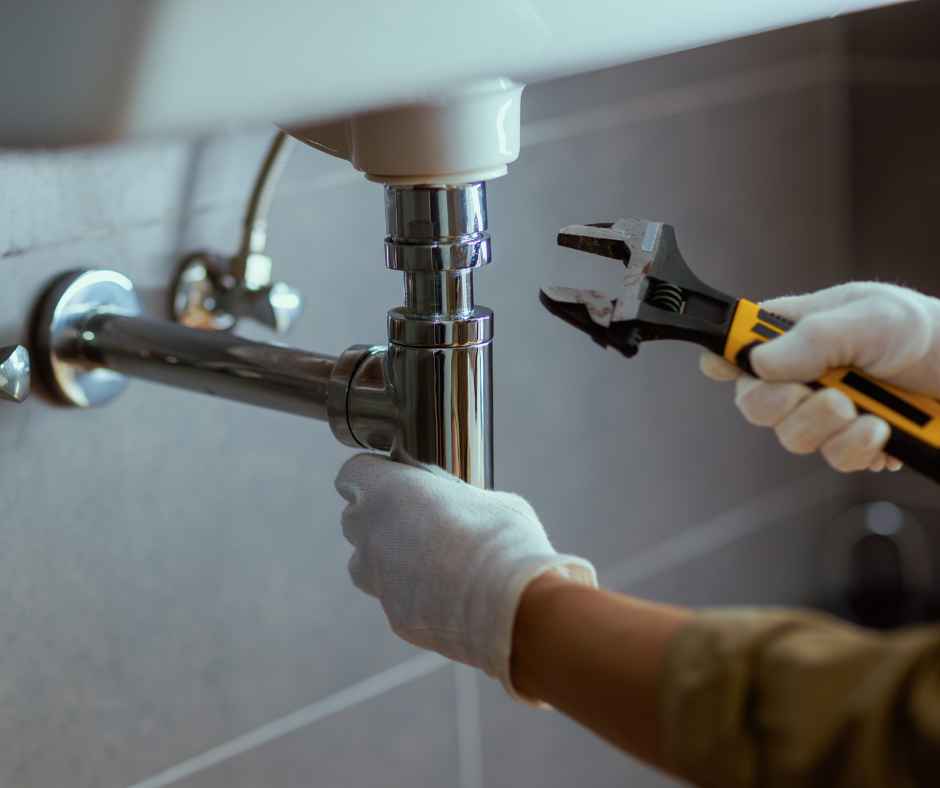
Hiring a licensed plumber plays a major role in keeping your home safe, efficient, and functioning the way it should. Your plumbing systemsupports clean water flow, drainage, and proper water heating, which means even small issues can create major problems if they are not handled correctly. Many homeowners consider DIY repairs or low-cost unlicensed help, but these approaches often lead to hidden leaks, code violations, poor installation, and long-term risks that can affect both your home and your budget. Working with a trained professional ensures every plumbing repairor upgrade is completed with the precision and safety your home deserves.
In this blog, you will learn why choosing a licensed plumber is essential for long-lasting performance, better energy and water efficiency, and overall peace of mind.
What It Means to Be a Licensed Plumber
A licensed plumber has completed the required training, testing, and hands-on experience established by state and local authorities. Licensing ensures the plumber understands building codes, safety standards, and proper installation methods for all plumbing systems. To earn a license, plumbers typically complete formal coursework, participate in supervised apprenticeships, and pass examinations that prove their technical knowledge and practical skills.
Hiring a licensed plumber also gives homeowners a higher level of protection and accountability. Licensed professionals must follow regulations, maintain insurance, and adhere to industry best practices. This means they are responsible for delivering safe, reliable work. When you choose a licensed plumber, you benefit from someone who can:
- Diagnose plumbing problems accurately
- Follow local plumbing and building codes
- Complete repairs and installations safely
- Prevent long-term damage caused by improper workmanship
- Protect your home through insured and regulated service
Safety Risks of Hiring an Unlicensed Plumber
Hiring an unlicensed plumber may seem like a convenient or inexpensive option, but it often creates serious safety concerns that can put your home at risk. Without the proper training or testing required for licensing, unlicensed workers may use incorrect materials, skip essential installation steps, or complete repairs that fail to meet local safety standards. These oversights can lead to immediate plumbing malfunctions or hidden issues that become larger problems over time.
Some of the most common and dangerous risks associated with unlicensed plumbing work include:
- Water leaksthat damage walls, floors, or foundations
- Mold and mildew growth from trapped moisture
- Sewage backupscaused by improper drain connections
- Gas linedangers when handled without certification
- Code violations that can affect insurance and inspections
These hazards impact your home’s health, safety, and structural stability. Water damage can spread quietly for months, mold can affect indoor air quality, and sewage issues can create unsanitary conditions that require extensive cleanup. Because unlicensed work does not meet building code standards, homeowners often face complications with insurance coverage or home appraisals. Choosing a licensed plumber is the best way to avoid these preventable dangers and protect your home long term.
How Licensed Plumbers Improve Your Home’s Efficiency
Licensed plumbersplay an important role in improving the overall efficiency of your home’s plumbing system. Their training covers proper installation methods, correct material selection, and techniques that maximize water flow and energy performance. When plumbing components are installed correctly from the start, your fixtures, appliances, and piping systems work more smoothly and waste less water and energy. This expertise helps prevent issues that commonly arise from shortcuts or poor workmanship.
Efficiency is especially important for systems like water heaters, faucets, toilets, and supply lines. When these components are installed or repaired by a licensed professional, homeowners benefit from:
- Proper calibration that reduces water and energy waste
- Leak-free connections that prevent hidden water loss
- Improved pressure and flow for everyday use
- Longer-lasting performance from fixtures and appliances
- Reduced strain on water heaters and plumbing lines
In addition to installing plumbing systems correctly, licensed plumbers can identify outdated or inefficient components and recommend upgrades that save money over time. This might include low-flow fixtures, high-efficiency water heaters, or modern piping materials designed to optimize performance. Their ability to combine proper installation with expert recommendations allows homeowners to enjoy lower utility bills, increased comfort, and more reliable plumbing throughout the home.
Code Compliance and Legal Protection
Plumbing codesexist to keep homes safe, efficient, and structurally sound. Licensed plumbers are required to follow these regulations during every installation and repair, which means the work completed in your home meets the standards set by local and state authorities. These codes cover everything from pipe sizing to drainage layouts and venting requirements. When plumbing is completed correctly, it reduces safety risks and ensures your system performs the way it is designed to.
Code compliance also provides important legal protection for homeowners. Many plumbing projects require permits, and only licensed professionals can secure them and schedule the necessary inspections. This documentation proves that the work was completed safely and legally, which becomes extremely valuable when filing insurance claims or preparing to sell your home. Without proper permits or code-compliant work, homeowners may face fines, delays, or costly repairs during inspections. Licensed plumbers help you avoid these issues by ensuring:
- All plumbing work meets current building codes
- Required permits are properly filed
- Completed work passes official inspections
- Documentation is available for insurance or real estate needs
- Legal and financial risks are reduced for the homeowner
By working with a licensed plumber, you protect yourself from potential liabilities and ensure that your home’s plumbing system is both safe and compliant with required standards.
Long-Term Savings and Reduced Repair Costs
One of the biggest advantages of hiring a licensed plumber is the long-term financial protection it provides. While unlicensed or DIY work might seem cheaper at first, these shortcuts often lead to costly repairs later. Licensed plumbers understand how to install and repair systems correctly, which prevents the types of failures that lead to water damage, repeated breakdowns, or emergency service calls. When your plumbing is handled by a qualified professional, you benefit from reliable work that saves money over time.
Licensed plumbers also help homeowners avoid unnecessary wear and tear on their plumbing systems. Proper installation reduces strain on pipes, fixtures, and appliances, which helps them last longer and operate more efficiently. This lowers the chances of leaks, clogs, or premature replacements. Homeowners often save money because licensed plumbers can:
- Identify problems early before they become major repairs
- Use the correct materials for long-term durability
- Prevent recurring issues caused by improper installation
- Extend the life of appliances like water heaters and dishwashers
- Reduce emergency repair costs through preventive service
These long-term benefits make a significant difference in your home’s overall repair budget. By investing in licensed plumbing work, you reduce the likelihood of unexpected problems and enjoy a more dependable plumbing system for years to come.
Warranty and Insurance Coverage Advantages
Hiring a licensed plumber offers important protection when it comes to warranties and insurance. Many plumbing fixtures, water heaters, and appliances include manufacturer warranties that only remain valid if the installation is completed by a licensed professional. When unlicensed work is performed, these warranties can be voided, leaving homeowners responsible for the full cost of any future repairs or replacements. A licensed plumber ensures that all installations follow manufacturer requirements so your warranty coverage remains intact.
Insurance protection is another major advantage. Licensed plumbers carry liability insurance, which protects homeowners if accidental damage occurs during a repair or installation. Unlicensed individuals typically do not carry this coverage, which means homeowners may be financially responsible for any resulting damage. Insurance companies may also deny claims when plumbing work was completed without proper licensing or permits. Working with a licensed professional helps homeowners avoid these risks by offering:
- Valid manufacturer warranties on fixtures and appliances
- Proper documentation for insurance claims
- Liability protection during repairs or installations
- Reduced financial risk in the event of accidental damage
- Confidence that the work meets required standards
By choosing a licensed plumber, you ensure that both warranties and insurance protections remain in place, giving you greater peace of mind and long-term financial security.
How to Verify a Plumber’s Credentials
Before hiring a plumber, it is important to confirm that they are properly licensed and qualified to perform the work you need. Verifying credentials helps you avoid the risks associated with unlicensed plumbing and gives you confidence that the professional you choose meets state and local requirements. Most areas offer online license lookup tools that allow homeowners to check a plumber’s status quickly by entering their name or license number. These tools confirm whether the license is active, current, and in good standing.
Homeowners can also take additional steps to ensure they are hiring a trustworthy professional. Reputable plumbers are transparent about their qualifications and should readily provide proof of licensing and insurance upon request. You can also look at reviews, ask questions about their training or experience, and confirm that they obtain permits when necessary. Helpful ways to verify a plumber’s credentials include:
- Checking state or local licensing databases
- Asking for proof of liability insurance
- Confirming permit requirements for your project
- Reading customer reviews and verifying references
- Asking about training, certifications, and experience
Taking the time to verify a plumber’s credentials protects your home and ensures the job is completed correctly. It also gives you the peace of mind that comes from hiring a professional who follows industry standards and stands behind their work.
Licensed Plumbers Are Essential for Home Safety and Efficiency
Hiring a licensed plumber is one of the most effective ways to protect your home, your safety, and your long-term budget. Licensed professionals bring the training, experience, and accountability required to perform plumbing work correctly, which helps prevent hazards, improve efficiency, and ensure every part of your plumbing system meets code requirements. From safeguarding warranties to reducing costly repairs, licensed plumbers offer benefits that unlicensed work simply cannot match.
By choosing a licensed professional for your plumbing needs, you gain confidence in the quality of the work and the overall performance of your home’s systems. Advocate Plumbing is committed to helping homeowners understand the value of proper plumbing practices and the importance of hiring qualified experts. To learn more or schedule professional service, contact us today.
Frequently Asked Questions About Licensed Plumbers
How can I tell if my plumbing issue requires a licensed plumber instead of a handyman?
Handymen can help with simple tasks, but anything involving water lines, drainage systems, gas piping, or major fixture installation should always be handled by a licensed plumber. If a repair requires permits, specialized tools, code knowledge, or impacts your home’s water or structural safety, a licensed plumber is the correct choice.
Do licensed plumbers offer guarantees on their work?
Most licensed plumbers provide warranties or guarantees on their workmanship. This gives homeowners additional protection if an issue arises after the job is completed. Guarantees are a sign of professionalism and accountability, and they offer more reliability than unlicensed or temporary repairs.
Are licensed plumbers required to take continuing education courses?
In many areas, yes. Continuing education ensures plumbers stay updated on changes in building codes, new plumbing technologies, and safety standards. This ongoing training helps them provide better service and maintain compliance with local regulations.
Can licensed plumbers help upgrade older plumbing systems to be more efficient?
Absolutely. Licensed plumbers are trained to identify outdated components and recommend modern, efficient upgrades. They can replace aging pipes, install high-efficiency fixtures, and improve system performance in ways that lower water and energy usage.
What should I do if I suspect previous work in my home was done by an unlicensed plumber?
If you notice leaks, poor water pressure, strange noises, or inconsistent drainage, it may be a sign of improper installation. A licensed plumber can inspect the system, identify issues, and recommend safe, code-compliant solutions. Addressing these problems promptly helps prevent long-term damage.
Recent Posts
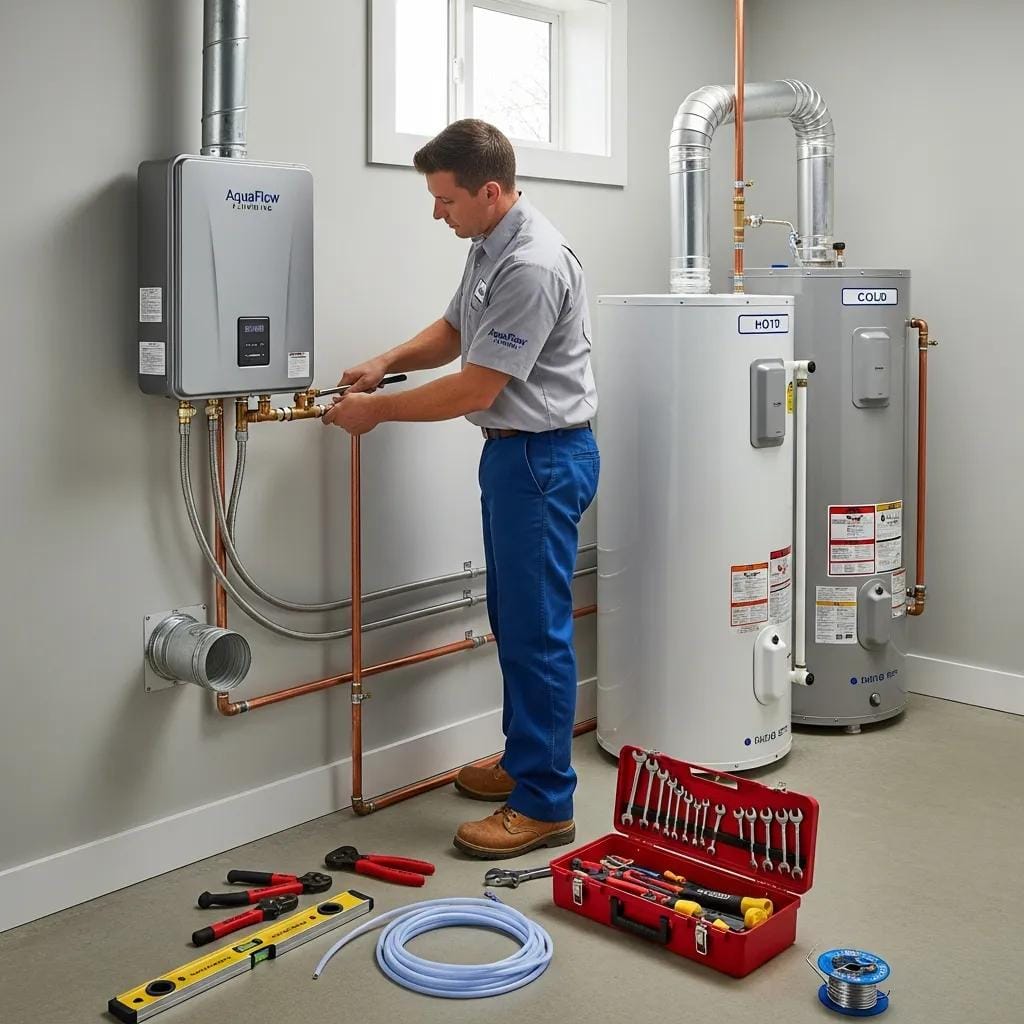
How to Choose the Right Water Heater Installation Company for Your Home
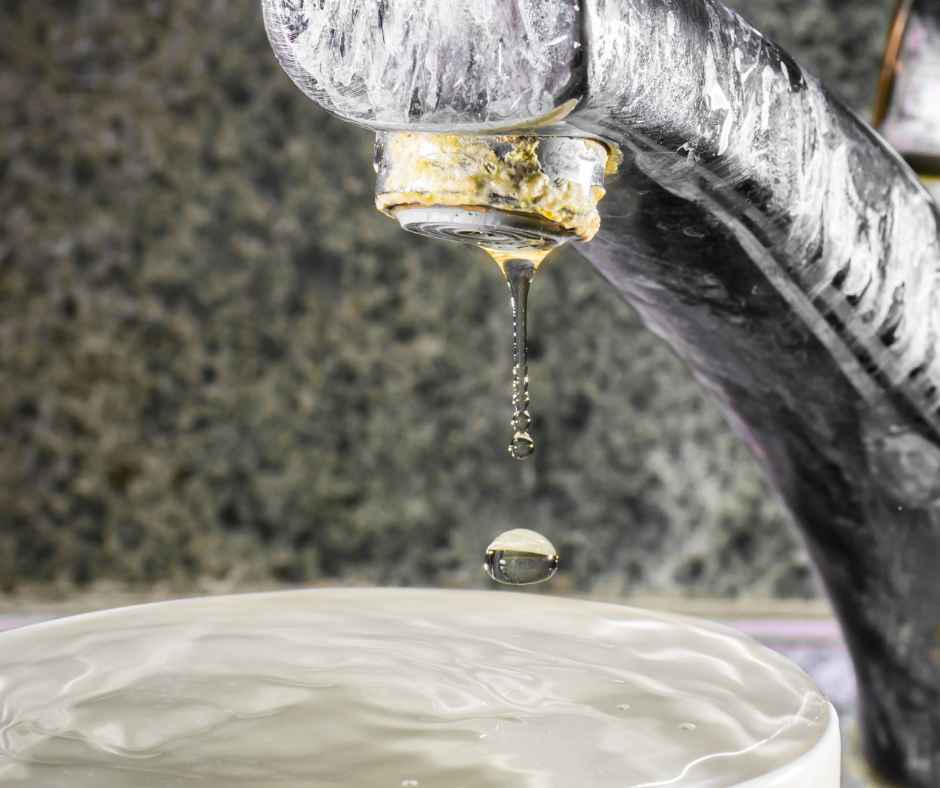
Hard Water & Hamilton County: Why Your Noblesville Home Needs a Water Softener
Preventing Pipe Bursts: Preparing Your Plumbing for Indiana’s Sub-Zero Temps
Why Your Sump Pump Needs Regular Maintenance and How to Do It
How to Choose the Right Water Heater for Your Home
Preventive Plumbing Inspection Guide Every Homeowner Should Follow

Reverse Osmosis vs. Water Softener: Which Is Right for Your Home?
Get in Touch