


Serving Hamilton County & Surrounding Areas
Hard Water & Hamilton County: Why Your Noblesville Home Needs a Water Softener
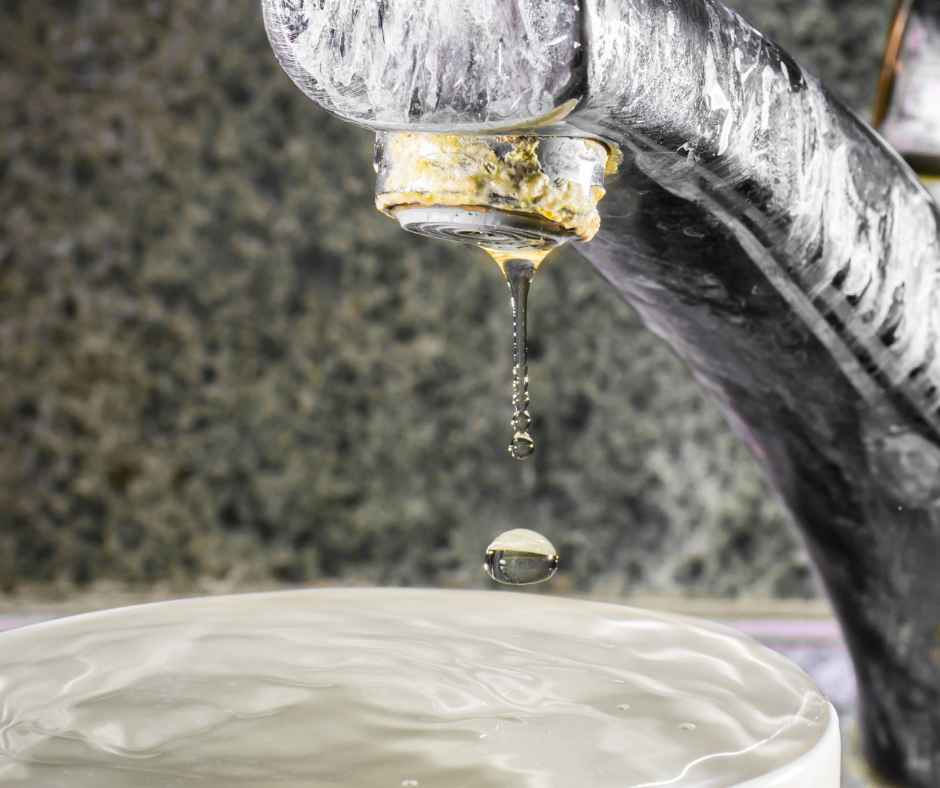
Noblesville homeowners often struggle with an invisible challenge that affects their daily comfort and the long-term health of their plumbing systems. While the local water supply is safe to drink, the geological makeup of Hamilton County introduces high levels of minerals that can wreak havoc on your pipes and appliances.
In this blog, we will examine the specific causes of hard water in our area and explain why a high-quality water softener is a vital investment for your property. Advocate Plumbing is dedicated to helping local families address water quality issues with reliable, professional solutions that ensure the longevity and efficiency of their entire plumbing network.
The Science of Hard Water in Hamilton County
To understand why hard water is such a prevalent issue in our community, we have to look beneath the surface. Hamilton County sits atop a massive foundation of limestone and dolomite. These sedimentary rocks are rich in calcium carbonate and magnesium, which are the primary culprits behind water hardness. As groundwater moves through these rock layers before reaching the municipal supply or private wells, it dissolves these minerals, carrying them directly into your home.
Water hardness is typically measured in grains per gallon (gpg). According to the United States Geological Survey, water is considered “very hard” once it exceeds 10.5 gpg. In many parts of Noblesville and the surrounding Hamilton County area, readings can frequently soar well above 15 or even 20 gpg. This high concentration means that every gallon of water entering your home is saturated with dissolved rock.
Understanding the specific characteristics of our local water is vital for effective treatment. Here are the core scientific factors that define the water profile in our region:
- Mineral Composition: The primary ions found in local samples are calcium and magnesium, which are responsible for the “crusty” white buildup known as limescale.
- pH Levels: The presence of these minerals often results in slightly alkaline water, which can influence how your soaps and detergents react during cleaning.
- Geological Influence: Because the White River basin and local aquifers are surrounded by limestone, the water is naturally predisposed to high mineral loads.
- Solubility and Temperature: As water is heated in your home, the solubility of calcium decreases, causing it to precipitate out of the liquid and form solid scale inside your water heater and pipes.
Because the geology of Indiana is fixed, the mineral content of the water will not change on its own. Homeowners must rely on mechanical intervention to strip these minerals away before they reach the faucet. Without a dedicated system to manage this chemistry, your home remains at the mercy of the local landscape.
How Hard Water Noblesville Residents Experience Impacts the Home
The effects of high mineral content are rarely sudden; they are cumulative. For many homeowners in Noblesville, the first sign of a problem is a subtle drop in water pressure or a mysterious film on glassware. Over time, these minerals act as a slow-moving obstruction within your home’s infrastructure, resulting in significant financial and operational burdens. Because our local water is often classified as “very hard,” the rate of buildup is higher than in other regions.
Ignoring these signs can lead to premature failure of your most expensive home systems. When calcium and magnesium are heated, they solidify into a rock-like substance known as scale. This scale creates a layer of insulation that forces your appliances to consume more energy while simultaneously damaging their internal components.
To help you identify the specific ways this issue manifests, we have compiled the most common impacts observed in local households:
- Plumbing Infrastructure Damage: Mineral deposits accumulate inside your pipes like plaque in an artery. This narrowing restricts flow, increases internal pressure, and can eventually lead to pinhole leaks or total blockages that require professional repiping.
- Water Heater Inefficiency: The heating element in your water heater is often the first casualty of hard water. Scale buildup acts as a barrier between the element and the water, forcing the unit to run longer and hotter, which can increase energy bills by up to 25% and shorten the unit’s lifespan by several years.
- Appliance Degradation: Dishwashers and washing machines rely on precise sprayers and valves. Hard water clogs these small openings and wears out rubber seals, leading to frequent repairs and “cloudy” dishes that never feel truly clean.
- Aesthetic and Cleaning Challenges: You may notice stubborn white crust on your faucets and showerheads. This limescale is difficult to remove and provides a porous surface where bacteria and soap scum can thrive, making your bathroom much harder to sanitize.
- Dermatological Concerns: Hard water does not rinse soap away cleanly. Instead, it leaves a microscopic film on your skin and hair, which can strip away natural oils and lead to persistent dryness, itchiness, or dull-looking hair.
Left unchecked, the water profile in Hamilton County can essentially “age” your plumbing system twice as fast as it should. Modern appliances are precision-engineered and not designed to handle the high mineral loads in our local groundwater without some form of filtration or softening.
The Tangible Benefits of a Water Softener Noblesville Households Appreciate
Investing in a high-quality water softener Noblesville residents can rely on is about more than just eliminating spots on silverware. It is a fundamental upgrade to your home’s chemistry that produces immediate, measurable results. When you remove the heavy calcium and magnesium ions and replace them with softer ions, the physical properties of your water change. This transformation affects everything from how your clothes feel when they come out of the dryer to how much you spend on monthly utility bills.
The transition to soft water often feels like an overnight luxury upgrade. Beyond physical comfort, the long-term protection for your home’s internal systems provides peace of mind that local homeowners value. By neutralizing the aggressive nature of Hamilton County’s mineral-rich water, you effectively reset the clock on your plumbing health.
The following list highlights the most significant advantages that come with professional water softening:
- Extended Appliance Lifespan: By preventing scale buildup, a water softener ensures your dishwasher, washing machine, and coffee maker operate as the manufacturers intended. This can add years of life to these units and prevent early replacements.
- Significant Energy Savings: Without a layer of rock insulating your water heater’s heating elements, the unit can transfer heat directly to the water. This efficiency gain can reduce gas or electric bills, as the system does not have to work as hard to reach the desired temperature.
- Reduction in Chemical Usage: Soft water allows soaps and detergents to lather more effectively. You will find that you need up to 50% less soap, shampoo, and laundry detergent to achieve better cleaning results, saving money and reducing the chemical load entering our local environment.
- Healthier Skin and Hair: Soft water rinses thoroughly, leaving no irritating residue. This is particularly beneficial for family members with sensitive skin or conditions like eczema, as it helps the skin retain its natural moisture and oils.
- Easier Household Maintenance: Cleaning becomes a much lighter task when you are no longer scrubbing at calcified deposits. Surfaces such as glass shower doors, granite countertops, and chrome fixtures stay shiny longer and require fewer harsh, acidic cleaners to maintain.
- Preservation of Clothing Quality: The harsh minerals in hard water can be abrasive to fabric fibers, causing them to break down and fade over time. Soft water is gentler on textiles, meaning your clothes, linens, and towels stay soft and vibrant for many more wash cycles.
For the modern homeowner, these benefits combine to create a more sustainable and cost-effective living environment. In a region where the water is naturally working against your infrastructure, a softening system acts as your primary line of defense. It is an essential component of a well-maintained home that pays for itself by reducing repair costs and lowering daily cleaning-product use.
Key Considerations for Choosing and Installing Your System
Selecting a water treatment system is not a one-size-fits-all process. Because mineral concentrations vary across neighborhoods, a system that works for a small condo may be insufficient for a large family home. When you begin looking for a water softener, you must evaluate your household’s specific needs alongside the equipment’s technical specifications. Modern systems are highly efficient, but they must be calibrated correctly to handle the specific grain count of our local supply.
Advocate Plumbing emphasizes the need to balance salt efficiency, water flow rates, and grain capacity. A system that is too small will regenerate too frequently, wasting water and salt, while an oversized system may lead to unnecessary upfront costs.
To help you navigate the selection and installation process, consider these essential factors:
- Grain Capacity Requirements: This refers to how many grains of hardness the system can remove before it needs to regenerate. For a typical family in Hamilton County, we often recommend a higher capacity unit to manage the local 15 to 20 gpg mineral levels.
- Regeneration Technology: Look for “demand-initiated” regeneration systems. These units track your actual water usage and refresh the resin beads only when necessary, rather than on a set timer, saving significant salt and water.
- Bypass Valve Accessibility: A professional installation should always include a bypass valve. This allows you to use untreated water for tasks like watering the lawn or filling a pool, where soft water is not required, thereby extending the life of your softener’s resin.
- Flow Rate and Pressure: It is crucial to ensure the system maintains adequate water pressure even when multiple showers or appliances are operating simultaneously. We evaluate the number of bathrooms and occupants to determine the correct valve size for your home.
- Professional Calibration: Once installed, the system must be calibrated to your water’s exact hardness level. Many DIY installations fail because homeowners use a generic setting rather than the precise grain count in Noblesville.
- Long-Term Maintenance Plans: While modern softeners are durable, they do require occasional checkups. Professional installers can provide regular salt delivery, resin cleaning, and seal inspections to ensure the system remains at peak performance for its entire lifespan.
Choosing the right equipment is only half the battle. The quality of the installation determines whether that equipment will protect your home for five years or twenty. By working with a specialist who understands Indiana’s unique plumbing codes and water chemistry, you ensure your investment is protected from the start.
Securing the Longevity of Your Home’s Infrastructure
Protecting your property from the aggressive mineral content found in Hamilton County is a necessary step for any responsible homeowner. The geological conditions in our region mean that, without intervention, your plumbing system and appliances are under constant stress. By installing a professional water softening system, you are committing to efficiency, comfort, and the long-term preservation of your home.
Advocate Plumbing is here to ensure that your water quality meets the highest standards for your family and your future. To schedule a comprehensive water test or to discuss your installation options, contact us today.
Frequently Asked Questions
Does a water softener affect the taste of my drinking water?
A softener primarily removes calcium and magnesium, which can subtly change the flavor of your water by removing the “earthy” mineral taste. While the system adds a small amount of sodium during the ion-exchange process, most residents find the water tastes cleaner and more neutral than untreated hard water.
How often will I need to add salt to my system in Noblesville?
Salt consumption depends on your household water usage and the hardness level of your supply. For a standard family home in Hamilton County, you can expect to add a new bag of salt every 4 to 6 weeks to maintain optimal performance.
Can I still use my outdoor spigots if I install a whole-home softener?
A professional installation by Advocate Plumbing typically bypasses outdoor faucets used for irrigation. This prevents you from wasting softened water on your lawn or garden, saving salt and ensuring your plants receive the natural minerals found in groundwater.
Will a water softener remove the chlorine smell from city water?
Standard water softeners are designed specifically for mineral removal, not chemical filtration. However, many modern systems can be outfitted with a carbon pre-filter that removes chlorine and other chemical odors, providing both soft and filtered water in one unit.
What happens to my pipes if I wait too long to install a softener?
Delaying installation allows limescale to harden and crystallize within your plumbing. Once these deposits become thick, they are very difficult to remove and can cause permanent flow restriction and increased internal pipe corrosion, ultimately necessitating expensive repairs.
Recent Posts
Preventing Pipe Bursts: Preparing Your Plumbing for Indiana’s Sub-Zero Temps
Why Hiring a Licensed Plumber Matters for Your Home’s Safety and Efficiency
Why Your Sump Pump Needs Regular Maintenance and How to Do It
How to Choose the Right Water Heater for Your Home
Preventive Plumbing Inspection Guide Every Homeowner Should Follow

Reverse Osmosis vs. Water Softener: Which Is Right for Your Home?
Seasonal Plumbing Maintenance Checklist for Hamilton County Residences
Get in Touch