


Serving Hamilton County & Surrounding Areas
Preventing Pipe Bursts: Preparing Your Plumbing for Indiana’s Sub-Zero Temps
Indiana winters are famous for sudden drops in temperature and prolonged sub-zero weather. For homeowners throughout the state, these freezing conditions represent more than just a reason to stay indoors. They pose a significant threat to the integrity of residential plumbing systems. When water inside a pipe freezes, it can cause the metal or plastic to fail, leading to catastrophic water damage and expensive frozen pipe repairs. Protecting your property requires a proactive approach and a clear understanding of how your home responds to extreme cold.
In this guide, Advocate Plumbing provides essential tips and strategies to help you navigate the winter season without facing a plumbing emergency. Understanding these risks now can save you thousands of dollars in restoration costs later this year.
Why Sub-Zero Temperatures Cause Pipes to Burst
To effectively prevent a plumbing disaster, it is helpful to understand the science behind why pipes actually fail during an Indiana winter. Many homeowners assume that the ice itself simply pushes against the pipe walls until they crack. While ice expansion is a factor, the actual cause of a burst is usually the extreme water pressure that builds up within the system. Water is one of the few substances that expand when they freeze. When it turns into ice inside a pipe, it takes up significantly more space than it did in its liquid form.
The physical process of a pipe failure usually follows a specific pattern:
- Expansion: As temperatures drop below freezing, ice begins to form along the interior walls of the pipe.
- Blockage: Eventually, a solid plug of ice forms, completely stopping the flow of water.
- Pressure Buildup: The ice blockage creates a trapped pocket of liquid water between the ice and a closed faucet or valve.
- Failure Point: As the ice continues to expand, it pushes the remaining liquid water toward the faucet. This creates immense pressure that eventually exceeds the pipe material’s strength.
Because failures often occur away from the actual ice blockage, a burst can occur in a part of the house that feels relatively warm, such as a wall or floor just behind the frozen section.
Identifying Vulnerable Plumbing Zones in Your Home
Identifying the most vulnerable zones in your home is a critical step in your winterization plan. Not all plumbing is equally protected from the elements, and some pipes are much more likely to succumb to Indiana’s sub-zero blasts than others. Generally, any pipe located in an unheated area or along an outside wall is considered a high-risk zone. Even if your home is relatively new, structural settling can create small drafts that allow freezing air to reach your water lines.
Homeowners should perform a thorough walkthrough to locate these specific danger points:
- Uninsulated Crawl Spaces: Plumbing in these narrow gaps is often the first to freeze because it is exposed to both the cold ground and moving air currents.
- Attic Water Lines: Since attics are designed to stay cool to protect your roof, any pipes running through this space are effectively exposed to outdoor temperatures.
- Exterior Walls: Lines that run through walls facing the outside are poorly shielded from the biting wind chill that can penetrate through siding and insulation gaps.
- Kitchen and Bathroom Cabinets: When a sink is located against an outer wall, the cabinet doors act as an unintentional barrier, preventing warm room air from reaching the plumbing behind them.
- Garages and Utility Rooms: These areas are often neglected during the heating season, yet they frequently house laundry lines or utility sinks that are highly susceptible to freezing.
By mapping out these zones, you can focus your insulation and heating efforts where they are needed most.
Essential Steps for Exterior Winterization
The first line of defense against frozen pipes starts outside of your home. Exterior plumbing is directly exposed to the brutal Indiana wind chill, making it the most likely to freeze first. If water remains in your outdoor lines, it can freeze and expand back into the interior plumbing, causing a burst inside your walls where it is hardest to detect. Taking the time to properly shut down these systems before the first frost is one of the most effective ways to avoid a plumbing emergency.
Properly securing your exterior water sources involves a few simple but vital tasks:
- Disconnect Garden Hoses: Leaving a hose attached to a faucet can trap water inside the hose bib. This water will freeze and cause the faucet to burst, regardless of whether it is frost-proof.
- Drain Outdoor Faucets: Locate the indoor shut-off valve for your outdoor spigots. Turn it off, then go outside and open the faucet to allow any remaining water to drain completely.
- Install Faucet Covers: High-quality insulated faucet covers provide an extra layer of protection against freezing air. These are inexpensive and can be found at any local hardware store.
- Winterize Sprinkler Systems: Irrigation lines are shallow and easily damaged by deep frost. It is best to have a professional perform a blowout service to remove all moisture from the system.
- Inspect Foundation Vents: If your home has a crawl space, ensure the vents are closed during the winter months. This prevents cold air from rushing in and freezing the pipes located directly under your floorboards.
By isolating these lines and removing any standing water, you eliminate the risk of ice traveling up the pipe and creating pressure in your main supply lines.
Indoor Strategies to Keep Water Flowing
Once the exterior of your home is secured, you must turn your attention to the plumbing inside. During periods of extreme Indiana cold, the ambient heat from your furnace may not be enough to reach every pipe in your house. Small changes to your daily routine and minor hardware upgrades can make a massive difference in preventing a disaster. These strategies are designed to keep the water moving or to keep the air around your pipes warm enough to prevent ice from forming.
Consider implementing these indoor habits when the forecast calls for sub-zero weather:
- Let Faucets Drip: A very slow drip of both cold and hot water can prevent a pipe from bursting. This is not because the water’s movement generates heat, but because it provides an escape for the pressure that builds up between the ice blockage and the faucet.
- Open Cabinet Doors: For sinks located on exterior walls, keep the cabinet doors open. This allows the warm air circulating in your kitchen or bathroom to reach the pipes that are otherwise hidden in a dark, cold space.
- Maintain Consistent Heat: It may be tempting to lower your thermostat at night to save on energy costs. However, during a deep freeze, keeping your home at a consistent temperature day and night prevents the internal structures from dropping below freezing.
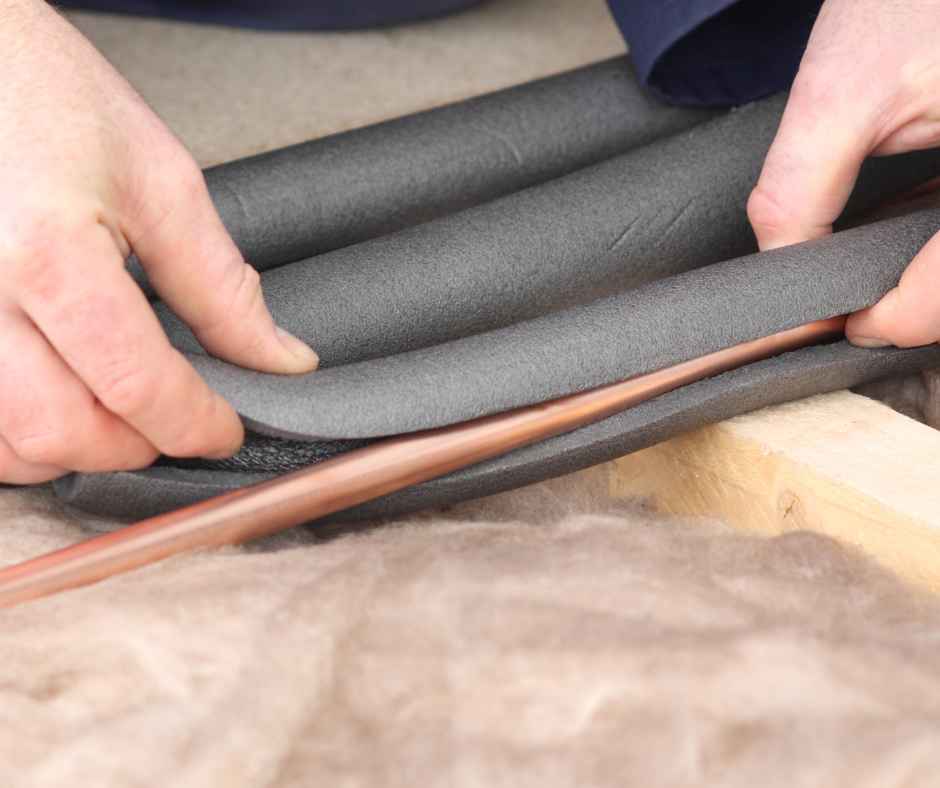
- Use Pipe Insulation: Foam pipe sleeves are an affordable way to add thermal protection to exposed lines in your basement, attic, or crawl space. They are easy to install and can buy you several hours of protection during a power outage.
- Apply Heat Tape: For particularly troublesome pipes that tend to freeze every year, electric heat tape can be used. This product features a built-in thermostat that automatically applies heat to the pipe when the temperature drops to a certain level.
By combining these simple actions, you create a comprehensive shield for your indoor plumbing.
What to Do if You Suspect a Frozen Pipe
If you turn on a kitchen or bathroom faucet and only a few drops of water come out, you likely have a frozen pipe. Discovering a freeze can be a heart-stopping moment for any homeowner, but your immediate actions can determine whether the pipe survives or bursts.
Thawing frozen pipes requires a patient and gentle approach. You should never use a blowtorch or any open flame, as this poses a severe fire risk and can permanently damage your plumbing fixtures. Instead, consider these safer methods:
- Hair Dryer Pipe Thawing: Use a hair dryer on a low setting to blow warm air directly onto the frozen section. Start from the end of the pipe closest to the faucet and work your way back toward the frozen area.
- Electric Heating Pads: Wrap an electric heating pad around the pipe. This provides a consistent, controlled source of warmth that can slowly melt the ice blockage.
- Space Heaters: Placing a portable space heater in a cold basement or utility room can raise the ambient temperature enough to thaw inaccessible pipes. Always keep the heater away from flammable materials and never leave it unattended.
- Towels Soaked in Hot Water: Wrapping the frozen section in towels soaked in hot water is a low-tech but effective way to apply gentle heat.
While you are thawing the line, you must remain vigilant about detecting plumbing leaks. If the pipe has already split, water will begin to spray out as soon as the ice melts. Ensure you have clear access to your main water shut-off valve and be prepared to turn it off instantly if a leak appears. If the frozen section is in an area you cannot reach, or if you feel uncomfortable handling the situation yourself, contact an emergency plumber immediately to prevent a small problem from becoming a flooded basement.
Proactive Care for Peace of Mind
Navigating an Indiana winter requires more than just a heavy coat and a snow shovel. It demands a vigilant eye on the systems that keep your home functional and safe. By understanding the risks associated with sub-zero temperatures and taking the time to winterize your plumbing, you can avoid the chaos and destruction of a burst pipe.
At Advocate Plumbing, we believe that education and proactive maintenance are the best tools for any homeowner. Our team of experienced professionals is always ready to assist with deep-system winterization, professional plumbing inspections, or emergency repairs if the unexpected occurs.
Do not wait for the first deep freeze to find out if your pipes are vulnerable. We are proud to serve our Indiana neighbors and help them maintain reliable, efficient plumbing systems year-round. Contact us todayto schedule a winter-readiness check or learn more about how we can help you keep your home safe this season.
Frequently Asked Questions
Does adding salt to my water softener help prevent pipes from freezing?
Salt lowers the freezing point of water, but the concentration in a water softener is not high enough to protect your plumbing. You must still follow standard winterization steps, such as insulating pipes and maintaining heat. Relying on salt alone is not a safe strategy for Indiana winters.
What should I do with my plumbing if I plan to travel during the winter holidays?
Set your thermostat to at least 55 degrees Fahrenheit while you are away. You should also shut off the main water valve and drain the system by opening all faucets until they run dry. This prevents water pressure from building up even if a freeze occurs.
Are certain pipe materials like PEX better for Indiana winters than copper?
PEX is more flexible than copper and can expand slightly when ice forms, making it more burst-resistant. However, it is not completely freeze-proof and can still fail at the joints. Regardless of the material, proper insulation and heat are still required for full protection.
Does typical homeowners’ insurance cover the damage caused by a burst pipe?
Most policies cover water damage from a sudden pipe burst if you took reasonable steps to prevent freezing. If an insurance adjuster determines the home was left unheated or neglected, your claim could be denied. Maintaining your plumbing is essential for ensuring your coverage remains valid.
How many hours of sub-zero temperatures does it take for a pipe to freeze?
Pipes generally begin to freeze when outdoor temperatures stay below 20 degrees Fahrenheit for at least six consecutive hours. During an Indiana cold snap, the risk increases every hour the mercury remains below zero. Even well-shielded pipes can eventually freeze during a prolonged deep freeze.
Recent Posts
How to Choose the Right Water Heater Installation Company for Your Home
Hard Water & Hamilton County: Why Your Noblesville Home Needs a Water Softener
Why Hiring a Licensed Plumber Matters for Your Home’s Safety and Efficiency
Why Your Sump Pump Needs Regular Maintenance and How to Do It
How to Choose the Right Water Heater for Your Home
Preventive Plumbing Inspection Guide Every Homeowner Should Follow
Reverse Osmosis vs. Water Softener: Which Is Right for Your Home?
Get in Touch